The THz-Skin project is privileged to be guided by an esteemed Advisory Board, bringing together world-class expertise in terahertz photonics, clinical dermatology, oncology, and advanced imaging technology.
This diverse panel provides crucial strategic insight, ensuring that our pioneering work in THz-FIR imaging translates into high-impact, actionable solutions for early skin cancer detection.
Their interdisciplinary expertise, which spans from the theoretical properties of nanostructures to the clinical management of inflammatory skin diseases and cancer treatment, is fundamental to the project's success.
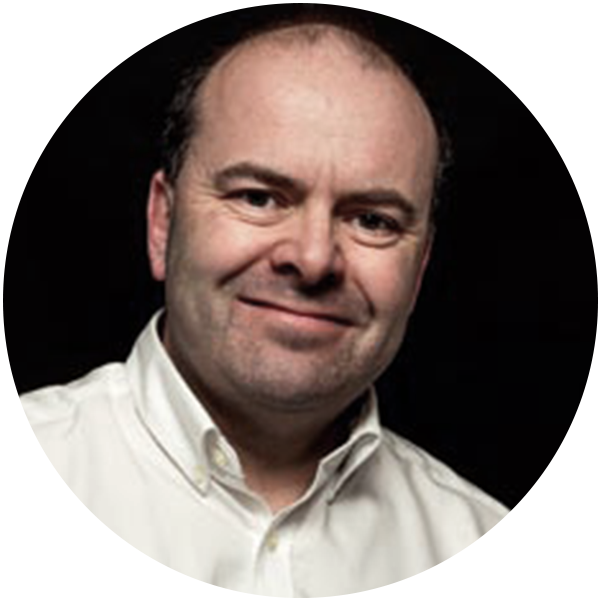
For the past few years Nick has been leading the R&D team at Thruvision, a leading manufacturer of passive THz imaging systems for people screening.
He has particular expertise in signal and image processing and system modelling for passive THz imaging. Nick spent the first 20 years of his career in systems engineering with Detica, now part of BAE Systems. He has a 1st Class degree in Engineering from the University of Cambridge and a Masters in Computer Vision, Robotics and Machine Learning from the University of Surrey.

Philippe Lambin holds an MSc in Physics Engineering and a PhD in Physics. He spent most of his career as a professor in the Physics Department at the University of Namur in Belgium, and is now an emeritus professor. He has been a member of the Royal Academy of Belgium since 2013. He has devoted most of his recent research work to the electronic properties of carbon nanostructures and 2D materials. He also has extensive experience in electrodynamics of structured materials. Overall, he has co-authored 400 publications.
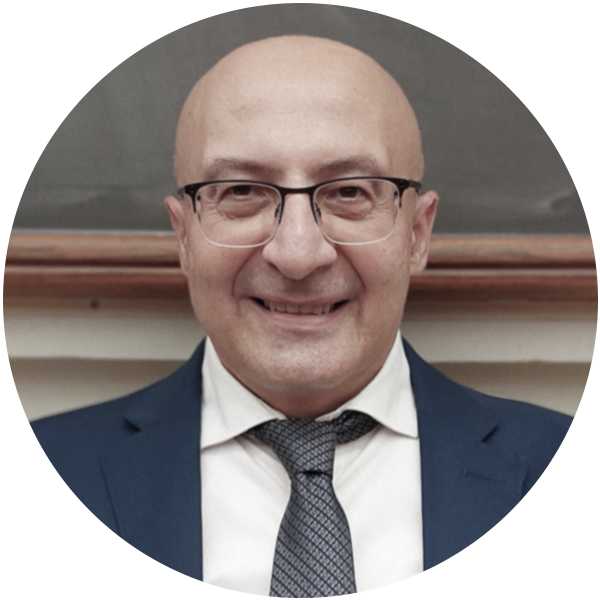
I have special expertise in clinical management and scientific research in the field of inflammatory/autoinflammatory, autoimmune and immune-mediated skin diseases, including histiocytosis, neutrophilic dermatoses, psoriasis and pustular psoriasis, autoimmune bullous diseases, connective tissue diseases, chronic spontaneous urticaria and atopic dermatitis. I have written 650 papers (H-index Scopus: 61; citations 15,591) in the highest-ranking international scientific journals in Dermatology, Hematology, and Basic Research. I participated in drafting several national and European guidelines on topics such as pemphigus, pemphigoid, mucous membrane pemphigoid, dermatitis herpetiformis, paraneoplastic pemphigus, linear IgA bullous dermatosis and hidradenitis suppurativa. I have published several book chapters in English and Italian on dermatologic manifestations of systemic diseases and have performed approximately 600 communications at National and International Congresses.
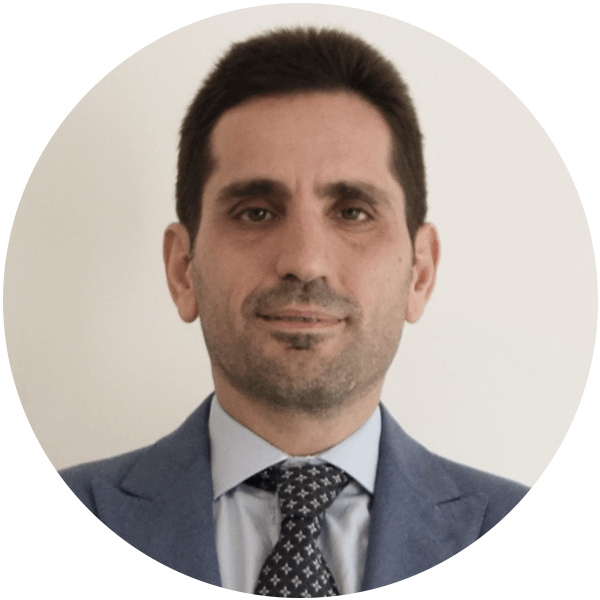
Francesco Sabbatino holds an M.D. in Medicine and Surgery, a residency in Oncology, and a Ph.D. in Molecular Oncology and Endocrinology from the University "Federico II" in Naples. Dr. Sabbatino has extensive post-doctoral experience from prestigious institutions, including the University of Pittsburgh and Massachusetts General Hospital. He is the Director of the Targeted Therapy and Immunotherapy Program at AOU San Giovanni di Dio e Ruggi D’aragona Hospital. His research focuses on cancer treatment, biomarker analysis, and novel therapeutic strategies. Dr. Sabbatino has authored 113 peer-reviewed publications and holds several patents, contributing significantly to the field of oncology.
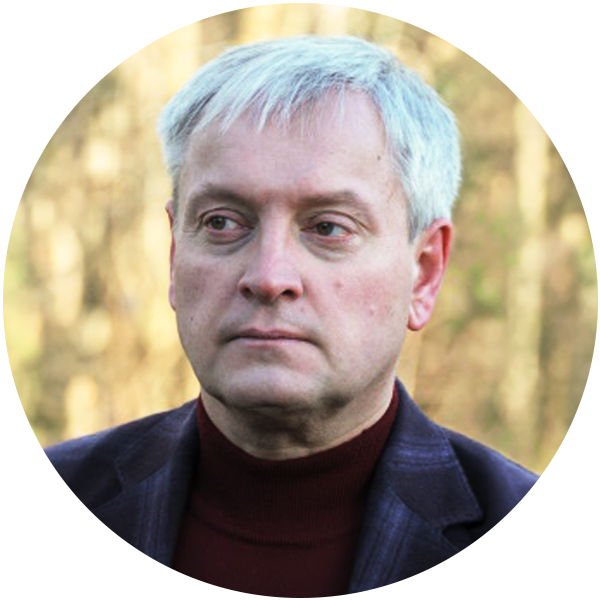
Gintaras Valušis graduated from the Vilnius University, Physics Faculty, in 1985. He acquired his PhD and habilitation at the Vilnius University in 1992 and 2007, respectively. 1995 – 1996 he obtained post-doc in ultrafast spectroscopy of semiconductor nanostructures at Institute of Applied Photo Physics, Dresden University of Technology, Germany. In 2000 and 2003 he was Alexander von Humboldt fellow in topic of terahertz physics at Physics Institute, J. W. Goethe University, (Frankfurt/M, Germany).
His scientific interests include terahertz physics and spectroscopy, semiconductor optoelectronics and nanotechnology.